

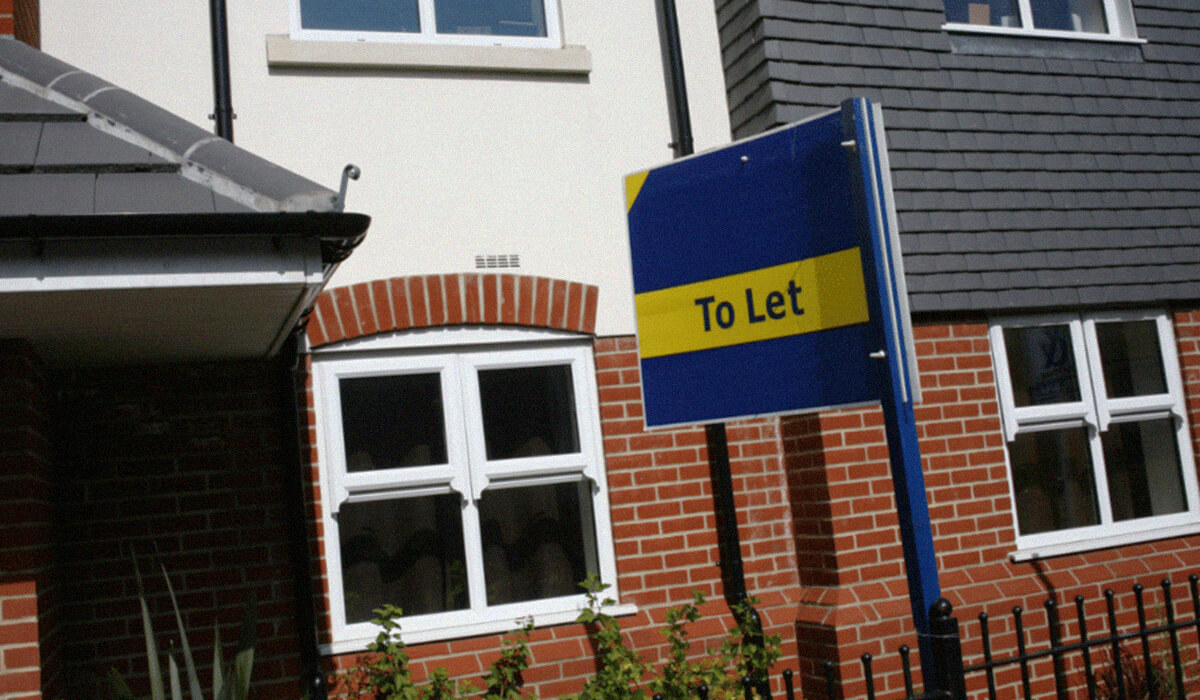
A bridge loan is a short-term financing solution. Bridging loans allow buyers to ‘bridge the gap’ in their finances to secure the money needed for purchasing a home.
What are bridging loans used for?
Bridge loans are typically used for purchasing a property or land with planning permission. The difference in these purchases is that speed is of the essence. Hence the short-term loan to maximise funds.
They are most frequently used when buyers need additional funds than what they have available to complete on their purchase. For example, a buyer looking to purchase a highly sought-after property that requires a quick completion will typically opt for a bridging loan because of the flexibility and speed at which funds can be released.
Another example of where bridging loans would be suitable would be when the property being purchased isn’t in a habitable state and therefore the buyer is looking to renovate the property.
What can bridging loans be used for?
Bridge loans could potentially be used for:
- Buying a residential property whilst waiting for funds to come through on a sale
- Purchasing a buy-to-let investment
- Buying property at an auction that requires fast completion
- Funding renovations to your home if you are not yet able to remortgage
- Covering the cost of purchasing land for a building development
How much do bridging loans cost?
Bridge loan costs can vary from client to client. As a rule of thumb, you will be expected to pay:
- An arrangement fee paid to the lender
- Administration fees
- Any legal fees
- Monitoring surveyor costs if the property is requiring renovations
- A valuation fee paid to the lender
What interest rate can I get on a bridge loan?
The amount of interest you will be expected to pay on your bridge loan is down to various factors. This includes:
- The amount you want to borrow against the value of the property
- Your credit score and credit history
- The term of the bridge loan
- If the bridge is regulated or unregulated
The idea with a bridge loan is that you are borrowing the money on a short-term basis. The interest rates are generally higher than what you would expect on a mortgage because they give you flexibility.
How much can I borrow on a bridge loan?
In general, lenders offer loans ranging from £50,000 to £10 million. Your lending capacity will be dependent on criteria set by the lender. Much like a mortgage, lenders will test the affordability, serviceability, and viability of the loan. It will depend on your credit, the value of the property you’re using as a security and how you plan to exit the bridging loan.
Speak to a mortgage adviser
If you have found a property that you need additional funds for with a short time scale, contact us. Our team of experienced mortgage advisers will be able to help you. Get in touch today for your free initial consultation.